A pan that handles eggs effectively is like a strong sous-chef. You don’t take into account it while it does its job, and you curse it while it doesn’t. A high-quality nonstick pan allows you to slide out a French omelet with a easy wrist flick, launch fried eggs with intact yolks, and turn out gentle scrambled eggs that style of butter, no longer scorched polymer. The problematic element is that “nonstick” covers a wide latitude of coatings, buildings, and marketing claims, and eggs are the so much unforgiving look at various you might throw at them. If a pan passes the egg experiment every day, you’ve determined a keeper.
I’ve cooked hundreds and hundreds of eggs on each floor from carbon metal to ceramic-lined aluminum to vintage PTFE. I’ve carried out this in dwelling kitchens and on the road. Here’s methods to decide on the appropriate nonstick for eggs, what to skip, and find out how to get the most lifestyles from the pan you decide.
Why eggs are the acid test
Egg proteins are brief to denature and bond with warm, dry metal. When a pan’s floor is choppy or too hot, whites weld themselves in spots and yolks spread into a sticky halo. If the coating isn’t certainly slick, you’ll think it in the drag lower than your spatula and spot it inside the torn fringe of an another way particularly omelet. On the turn side, if a pan heats lightly and lightly, eggs set into comfortable curds, edges stay sparkling, and launch feels virtually unfair.
Eggs divulge 3 variables immediately: the chemistry of the coating, the pan’s heat distribution, and your procedure. A effective performer here will excel with pancakes, crepes, and comfortable fish too.
Coating types, decoded
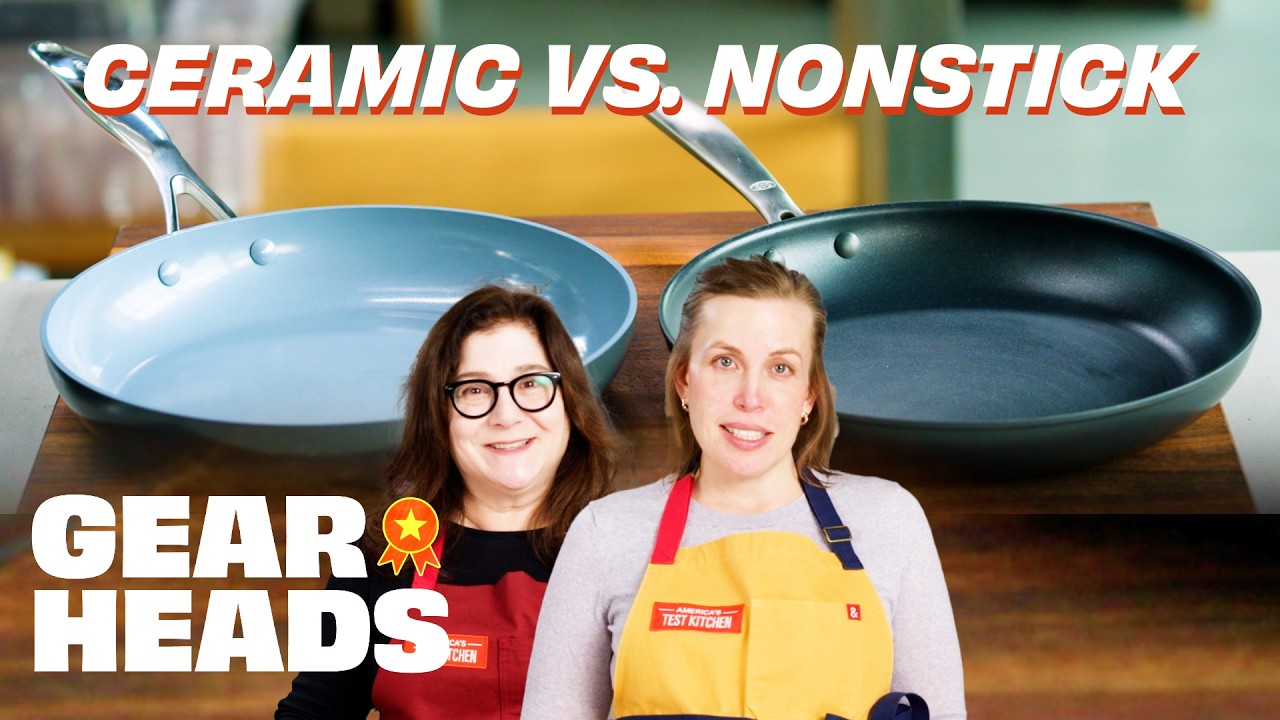
Nonstick coatings fall into two extensive households: PTFE and ceramic-silica. Each has strengths and primary drawbacks. The appropriate desire relies upon on how you prepare dinner, how careful you're, and what you are expecting for lifespan.
PTFE, sometimes conventional via brand names like Teflon, is still the slickest element that you could put on a pan. A top PTFE floor, carried out in multiple layers over a complicated base, will free up eggs with the smallest amount of fats. It tolerates mild heat and, once you dodge sharp resources and abrasive cleaning, can final everywhere from a 12 months to quite a few years in consistent house use. The hindrance with PTFE isn’t efficiency, it’s care. It scratches without problems, it degrades if overheated, and as soon as the surface loses its integrity, you could’t bring it lower back. Modern PTFE coatings are PFOA-loose, which addresses the older chemical trouble about the producing surfactant. Still, if you happen to habitually preheat on top or broil, PTFE isn’t for you.
Ceramic-silica coatings, repeatedly which is called “ceramic nonstick,” are virtually a silica-situated matrix carried out like a paint and cured. They’re PFAS-unfastened, which appeals to buyers who want to stay away from fluoropolymer chemistry. Ceramic coatings can also be very slick out of the box, yet in my feel, that initial glassy free up fades turbo than PTFE. The surface turns into grabby months in when you prepare dinner day by day, rather when you use spray oils or scrub aggressively. On the upside, ceramic coatings normally really feel sturdier to touch and control just a little of warmth more desirable with out off-gassing. For eggs, they’re perfectly in a position, but you’ll probably use a dash extra fats and change the pan quicker.
You’ll also see “diamond,” “titanium,” or “granite” reinforced advertising. These almost always check with debris embedded in the coating or a emblem’s identify for their method. Hard ingredients can enhance abrasion resistance, but they don’t exchange the core realities: PTFE is slicker and longer-lasting with comfortable care, ceramic is PFAS-loose and heat-tolerant but tends to lose unencumber in the past.
Pan production subjects more than commercials suggest
Coating is in simple terms half the tale. The steel underneath determines how the pan heats and the way eggs set. Thin, stamped aluminum pans are easy and inexpensive, yet they hotspot. You’ll word browned speckles where the burner concentrates warm. Thicker solid aluminum with a good base spreads warmness greater gently. A thoroughly clad stainless-aluminum-stainless skillet with nonstick coating sounds terrific, however it more often than not runs warmer on the rim and may suppose heavy for flipping eggs. For such a lot home chefs, a medium-gauge solid aluminum frame with a thick base plate strikes the sweet spot: faded ample to move, heavy adequate to prevent splotchy whites.
Another aspect you’ll suppose at present is sidewall slope. A suggested slope makes it undemanding to roll omelets and slide out fried eggs with out breaking yolks on a sharp attitude. Straight aspects may just support include a shakshuka, but they complicate comfortable flips.
Finally, dark versus faded interiors affect cues. Dark interiors make it harder to decide browning. For eggs, which you want slightly colored, a mid-gray indoors gives more desirable visible comments than a jet-black one. This is minor, yet it things for those who cook dinner through eye.
Size and form for true kitchens
For solo breakfasts, an eight-inch nonstick skillet is the excellent instrument. It suits a three-egg omelet, two fried eggs, or a tidy component to scrambled eggs with no crowding. For two diners or if you want fried eggs with house round them, a ten-inch provides you respiratory room. Twelve inches is eating place territory and improved for pancakes than eggs, unless you cook in batches or have a extensive burner that heats a pan that massive frivolously.
I opt for a pan with a refined flare and a rim that doesn’t drip. Pouring scrambled eggs from a bowl into a pan with a sharp rim in general leaves streaks down the out of doors. When you’re pulling a Baveuse omelet, a soft lip makes the very last fold and slide predictable.
Heat tolerance and the truth of burners
Nonstick coatings usually are not indestructible. PTFE starts offevolved to degrade at temperatures above kind of 500°F. On a useful fuel burner set to top, a faded pan can succeed in that wide variety in minutes if it’s dry. You don’t desire prime heat for eggs besides, and too much warmth tightens proteins and creates sticking. For scrambled eggs and omelets, goal for medium-low to medium. For fried eggs, medium warmness to set whites with out hardening yolks. If your burner runs scorching, a warmness diffuser can tame it, however a thicker pan is a less difficult answer.
Induction customers must assess for magnetic bases. Many aluminum nonstick pans add a stainless plate on the bottom for induction. The well suited editions fuse the plate with out creating a seam you might sense on the cooking floor. Poorly bonded plates can warp lower than prime heat. For eggs, you’ll not ever want the top settings, so err at the area of delicate warm and preheat with a dab of butter to avoid the floor inside of a protected quantity.
Handles, steadiness, and the texture on your hand
A nonstick egg pan is a daily-use software, and ergonomics add up. A deal with that’s reasonably offset and remains cool offers you manage for the cut up-moment wrist movement that flips two eggs devoid of a spatula. Riveted handles are sturdier than rivetless, yet exposed rivets inside the pan create little capture features. On a pleasant egg pan, you won’t become aware of the rivets when you consider that the coating goes over them, or the rivets are low-profile and polished. If the internal rivets are well known and the coating thins around them, whites will hold.
Weight matters. A featherlight pan feels lower priced and flutters on a powerful gasoline flame. A brick of a pan discourages the minute-lengthy toss you do to roll an omelet into a warm dog bun structure. Find the center: around 1 to 2 pounds for an eight-inch, 2 to a few pounds for a ten-inch, supply or take. The stability aspect must be simply ahead of your pinch at the address, no longer at the again screw.
What to keep, founded on arduous lessons
Over the years I’ve retired greater nonstick pans than I care to confess. Patterns emerge. Overly textured interiors marketed as “stone” or “granite” end can defeat the objective with eggs. The microtexture also can keep oil for searing salmon, however it additionally gives nice egg proteins puts to anchor. You’ll see this as feathery tearing for your omelets.
Avoid thin, cut price sets that bundle 3 pans for the value of 1 outstanding one. The coatings frequently start slick, but the substrates warp. Once https://www.cookwarereviewhub.com/best-nonstick-pans-for-eggs/ a pan warps, oil pools and eggs cook erratically. If the pan bows up in the midsection, whites run to the threshold and overcook while the midsection undercooks. That’s now not one way issue, it’s a physics subject.
Skip metal utensils, even supposing the container claims metallic-protected. You can break out with it some times, however the satisfactory scratches acquire, and eggs in finding them. Use a silicone or skinny nylon spatula with a bendy part. If you pick a stiffer instrument for flipping, discover one with a refined nylon aspect that slides without digging into the coating.
Finally, evade cooking sprays on nonstick. Propellants and emulsifiers leave a residue that bakes right into a not easy movie. This film resists scrubbing and recreates sticking. Use a fingertip of impartial oil or a small knob of butter. Both condition the surface and taste more advantageous.
Caring for nonstick like anybody who depends on it
A nonstick egg pan is a consumable, not an heirloom. With care, which you can stretch its life from months to years.
Let the pan cool until now washing. A cold rinse on a hot pan stresses the substrate and will reason microscopic cracks in the coating. Wash with a delicate sponge and easy soap. If you've got stuck-on bits, soak with warm water for a few minutes or simmer water within the pan, then wipe. For stubborn polymerized residue, a paste of baking soda and water, lightly applied, can holiday it down with out scratching. If you’re tempted to reach for a scouring pad, you’re in the ultimate chapter of the pan’s existence.
Store the pan devoid of stacking heavy pots at the coating. If you have to stack, slip a paper towel or tender liner among pans. Hanging with the aid of the care for is a luxury you probably have the gap and keeps the floor pristine.
Learn your heat settings. On my fuel differ, scrambled eggs love the surroundings it really is one click on below medium. On a 1,800-watt induction burner, that’s round degree four out of 10 with a little of preheat. Note the equal on your range, on the grounds that precision the following issues more than recipe times.
The approach eggs tell the truth
When I try out a brand new nonstick for eggs, I run the similar standard drill. Two eggs cracked into a small bowl. A teaspoon of butter within the pan, warm set to medium-low. When the butter foams and simply subsides, in go the eggs. If the whites snatch at the edges and continue to be glassy inside the middle after 30 seconds, the pan is simply too cool or the bottom is too thick for this warmness. If the whites spit and brown, the pan is too sizzling or too skinny. A remarkable pan sets the whites frivolously from the edges inward. With fried eggs, I favor a shake of the pan to slide them cleanly after a minute. If I want to pry a nook, I already realize the coating or the heat distribution overlooked.
For scrambled eggs, I whisk four eggs with a pinch of salt and a spoonful of water or milk, then pour into a pan simply heat satisfactory to soften butter without browning it. Stirring with a silicone spatula, I look ahead to the first curds to model after forty to 60 seconds. If they stick in a decent, rubbery layer on the underside, the pan is working hot. If they sort in uniform, smooth folds that live wet, the pan and the heat are taking part in high quality.
Omelets are the very last exam. A conventional French omelet calls for shaking and stirring without delay. The coating needs to be slick, but the surface additionally has to warm calmly so the mushy indoors units just as the outer floor stops watching moist. Poor heat distribution supplies you a mottled underside or a line of browning wherein the flame hits. A pan that passes the omelet test is riskless.
Brands and items that continuously perform
Nonstick pans reside in a crowded market, and fashions modification. What you want to be aware of are styles: multi-layer PTFE on a forged or forged aluminum base from a maker that publishes the thickness or weight, ceramic coatings from official strains which are truthful about lifespan and warmth limits, rivets which are covered or at the very least low-profile, and a warranty that covers production defects, now not consumer errors.
Cookware from European and Japanese producers quite often has more effective satisfactory regulate on base thickness and plate bonding for induction. American brands with long-going for walks strains generally tend to be offering more components and tackle designs that dwell cool. I’d exceptionally see a released oven-riskless rating in the four hundred to 500°F diversity than an ambiguous “oven reliable.” For eggs, you infrequently want oven use, however a higher oven ranking signifies a coating and handle that could deal with pressure.
When readers ask for specifics, I element them to a short listing of developments instead of a unmarried mannequin: a smartly-reviewed PTFE skillet with a three-layer coating and a medium-gauge forged aluminum physique for individuals who wish the slickest unencumber and longest existence with comfortable care, and a ceramic-covered selection from a model it is transparent about exchanging the pan whilst free up fades, exceedingly for those prioritizing PFAS-unfastened coatings. In either situations, decide upon 8 or 10 inches, a gently sloped edge, and a take care of you want in hand.
Technique covers a multitude of sins
Even the most effective nonstick pan for eggs demands a pleasant system. Cold fat on hot-scorching PTFE ruins release. Dry-pan omelets tear. The repair seriously is not difficult: add a bit of fat, regulate the warmth, and time your actions.
With fried eggs, I prefer a teaspoon of butter or oil, melted over medium warmness. Swirl to coat. Crack eggs into a small bowl first to avert shattered shell dramas, then slide them in. Salt whilst the whites start to show opaque. If the edges threaten to colour, reduce the warmth. If you like tops set but yolks runny, upload a teaspoon of water and disguise for 20 to 30 seconds. Slide the eggs out with a easy tilt. A excellent pan won’t desire a spatula until you opt for one.
Scrambled eggs love a silicone spatula and staying power. Heat the pan, melt butter, then add crushed eggs. Stir in lazy figure eights, scraping the underside and folding over. Pull the pan off the heat at the same time as the eggs are nevertheless a little bit moist. Residual warmness finishes them devoid of sticking. The pan stays fresh.
For a French omelet, use an eight-inch pan. Three eggs, overwhelmed with salt and a touch of water, right into a medium-heat pan with a teaspoon of butter. Stir vigorously when shaking the pan to create exceptional curds, then clean the surface and enable it set for a few seconds. Fold the close edge to the middle, tip the pan to roll the omelet onto itself, and plate with a nudge. The top pan feels prefer it wants to aid.
Ceramic versus PTFE for eggs, part by using side
Eggs make the alternate-offs transparent. PTFE affords you that hassle-free slide for longer, presented you recognize warm and sidestep abrasion. If you prepare dinner eggs each morning and avoid your gear comfortable, a PTFE pan will probably be your day after day associate for years. If you push heat or proportion a kitchen with utensil anarchists, the coating will scar. Ceramic can take the occasional warmer burner consultation devoid of off smells and will shrug off a little bit tough managing, yet its unencumber fades. You’ll uncover your self including greater butter to shop eggs shifting. For a few cooks, that’s first-rate. For others, distinctly those that cost the sparkling launch for Japanese tamagoyaki or French omelets, PTFE’s overall performance is worth the excess care.
Induction, fuel, and electric powered realities
On induction, the pan’s base development is every thing. Look for a definitely categorized induction-appropriate plate. Test with a magnet in case you’re procuring in person. Listen for chatter whenever you cook; low-cost plates can vibrate audibly at assured frequencies. If you pay attention it, curb the atmosphere a notch and spot if it subsides. A steady pan on induction gives you high quality manipulate that’s outstanding for eggs.
On fuel, fit the flame to the pan. Flames licking up the perimeters waste warmness and overcook edges. A medium ring flame that sits underneath the base helps to keep whites from frilling and browning too swift. Electric coils run hotter than their setting indicates by way of the lag. Preheat on low, then nudge up to in finding your candy spot. Once you've gotten the dial place, keep in mind that it. Your long term breakfasts will thanks.
How long a nonstick egg pan have to last
With day-after-day use and easy care, anticipate a exceptional PTFE pan to offer you 2 to five years of high-tier unlock. The huge selection reflects burner strength, utensil habits, and cleaning field. Ceramic pans as a rule deliver 6 to 18 months of outstanding unlock, then float into “reliable satisfactory with butter” territory. That doesn’t make ceramic inferior, it just units expectations. If you price range for replacement and deal with the pan like a consumable, you gained’t think shortchanged.
A elementary trend is to avert a dedicated nonstick just for eggs and crepes, and use stainless or carbon metallic for searing proteins and prime-heat work. This preserves the coating and gives you the suitable instrument for every one job.
A quick patron’s tick list for the most interesting nonstick pans for eggs
- PTFE or ceramic coating from a credible brand, with clean warmness limits and an oven-risk-free rating Medium-gauge forged aluminum body for even heating, with a flat base that resists warping Gently sloped aspects and a delicate rim for convenient sliding and omelet rolling Coated or low-profile rivets inside, plus a manage that balances the pan for your hand Induction-compatible base if considered necessary, bonded cleanly with out a lip or rattle
What marketing won’t tell you
Lifetime warranties on nonstick hardly ever conceal what fails first, which is free up. They defend you against manufacturing defects, not wear and tear. Return insurance policies matter more than offers. If a pan sheds its coating or warps early, a model with responsive help is worth remembering. If they power you by using hoops for a replacement, your time is greater primary than a chit.

“Dishwasher reliable” is technically exact for lots of pans, but detergent chemistries and high-warmth drying cycles shorten coating life. If you like your pan, wash it through hand. “Metal utensil dependable” equally lives within the area among advertising and truth. You can use a fork as soon as with out catastrophe, however you’ll pay at last.
Finally, a $25 no-call pan can cook dinner supreme eggs for a season. If that matches your price range and you include alternative, that’s a legitimate possibility. If you desire to buy as soon as and save it for years, spend for improved production and treat the pan kindly. The highest nonstick pans for eggs aren’t the priciest showpieces. They’re the quiet workhorses that unencumber on cue, warmth flippantly, and suppose like an extension of your hand.
Making the most of what you have
If your present day pan isn’t desirable, you may nevertheless pull off lovely eggs. Preheat gently, use a little bit extra butter than you suspect, and pass the eggs in advance. A silicone spatula with a sharp, thin area can make amends for a pan that has lost a few unlock. For fried eggs, a quick baste with scorching butter or a included steam end will set tops with no risking stick. For scrambles, begin cooler and remove from heat until now you observed. If the pan drags on omelets, make smaller ones and roll with a less assailable wrist.
When the pan crosses the road from “quirky” to “struggling with me,” retire it. Keep it for responsibilities that don’t desire the best option unencumber, like toasting nuts or reheating rice. Then deal with your self to a sparkling nonstick that lives only for eggs and crepes, and continue it out of the household’s steel-spatula reach.
The bottom line on deciding upon confidently
Eggs demand regulate, even warmness, and a slick floor. Pick a nonstick pan that suits your habits: PTFE for the slickest and such a lot durable unlock if you deal with it lightly, ceramic for PFAS-loose and respectable overall performance when you accept a shorter peak. Prioritize strong, even building over celeb endorsements. Choose eight or 10 inches, a slope you love, and a control that feels desirable. Use modest warm, a slightly of butter, and soft gear. With that setup, your breakfasts stop being a gamble and start changing into a joy it is easy to reproduce any morning you judge.